Kreativräume
Ausgewählte Projekte gestalten über längere Zeiträume hinweg Kreativräume am IMPULSE. Sie sind besonders einschlägig für das Selbstverständnis von IMPULSE und fördern kontinuierliche kreative Arbeit und Zusammenarbeit unter einem Dach.
Escape Room "2051: Energy in Space"
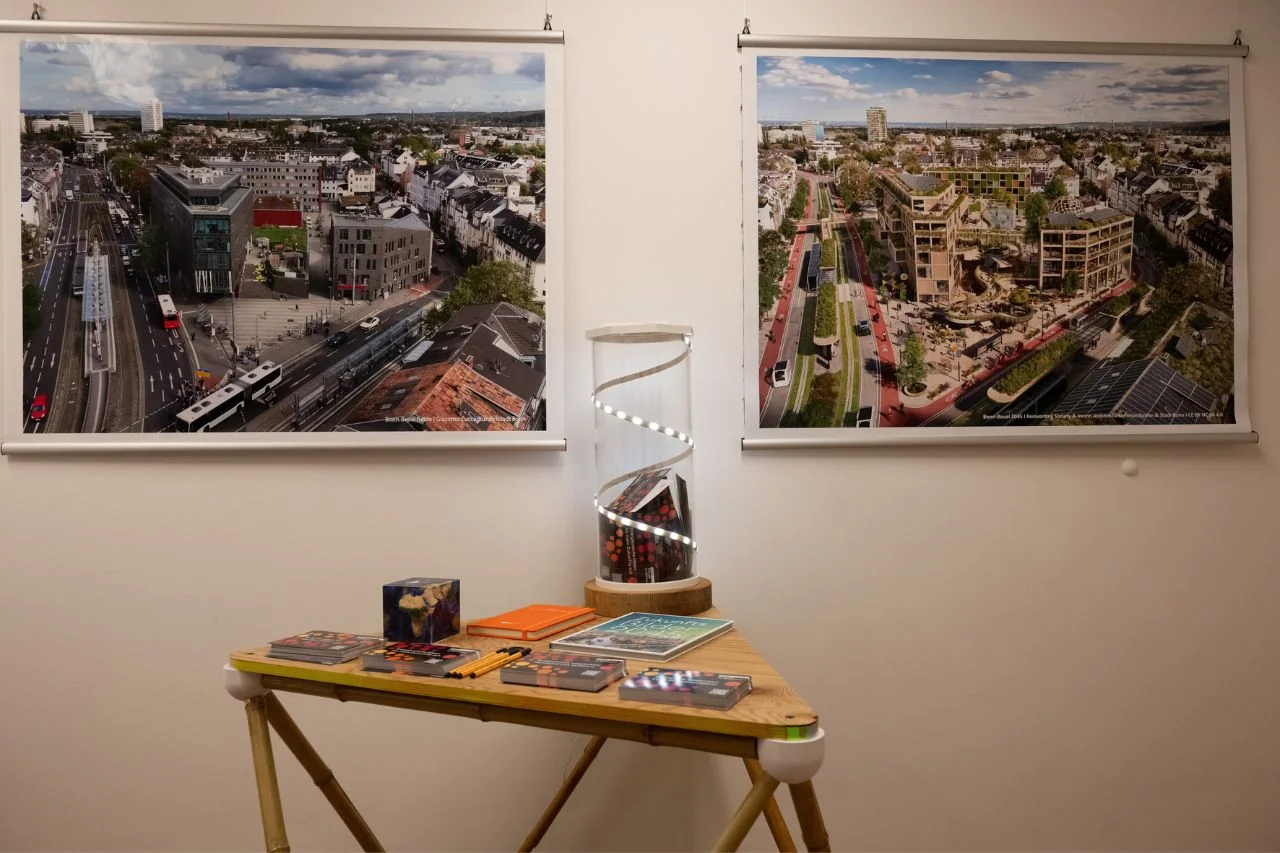
A team of students has developed an escape room for (young) adults, with the aim of science communication. The construction of the escape room at IMPULSE was primarily funded through the "Hochschulwettbewerb", organized as part of the Federal Ministry of Research, Technology and Space’s "Science Year 2025 – Energy for the Future".
A transdisciplinary project funded by the University's "TRA Matter" investigates the operation of the escape room to create synergies between research, teaching, and external science communication. As part of a course in psychology, students develop research questions that can be explored within the context of the escape room. The public is invited to participate in this research project. Visitors of the escape room are immersed in a dystopian vision in the year 2051 and embark on an interstellar journey. By solving puzzles related to sustainability and searching for planet B, they may eventually escape this dystopia. The project establishes escape rooms as highly innovative tools for engaging lay people with science and technology. It creates a unique opportunity for project-based learning and teaching. The collaboration generates new insights in transdisciplinary research and offers an outstanding training opportunity for students.
Contact: exit2051@uni-bonn.de
Podcast Studio
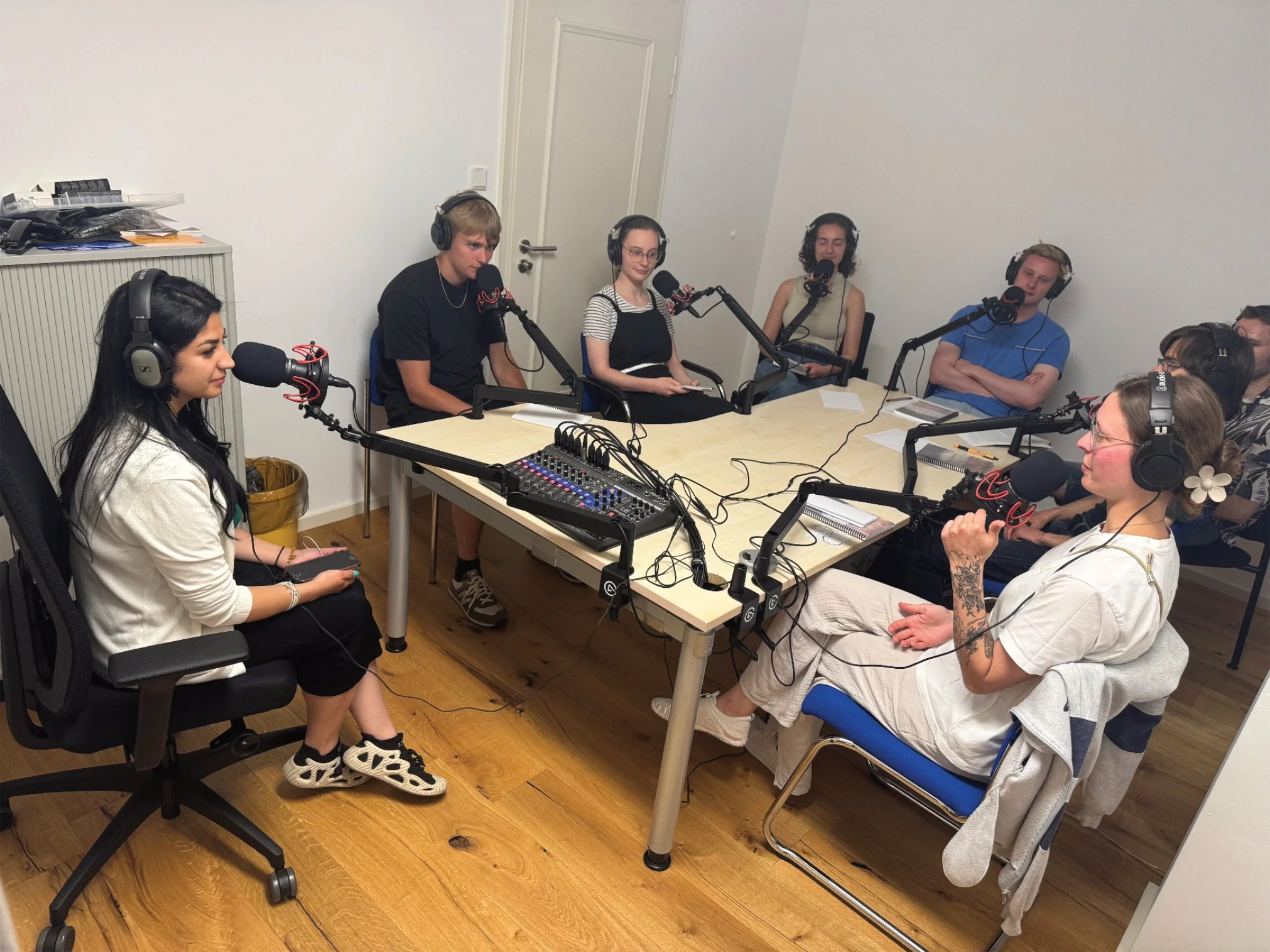
The IMPULSE Podcast Studio, a collaborative project between IMPULSE and Forum Internationale Wissenschaft (FIW), provides an innovative space for science communication and creative teaching formats. It enables researchers and lecturers to explore new ways of sharing knowledge through an audio podcasting infrastructure.
In the summer semester 2026 the podcasting team launched a teaching (support) project which enables selected seminar sessions to be conducted and recorded as podcasts, offering academic staff the opportunity to integrate podcasting into their teaching and experiment with new forms of communication and engagement.
By combining academic discussion with accessible audio formats, the initiative fosters creativity in teaching, strengthens science communication, and extends ideas and research perspectives beyond the classroom. Following its successful launch, the program will continue in the winter semester 2026/27, providing further opportunities for podcast-based teaching.
Contact: adrian.dilg@uni-bonn.de & maria.ullrich@uni-bonn.de
LAGIP
The Bonn Lab for Analog Games and Imaginative Play (LAGIP) is a university laboratory dedicated primarily to researching modern analog games and forms of play in an increasingly digital world. It addresses an important gap in the field of game studies, which usually focuses on digital games. The lab explores the transformative potential of analog games, with a particular interest in board games and forms of imaginative play like tabletop and live-action role-playing games.
Access Lab
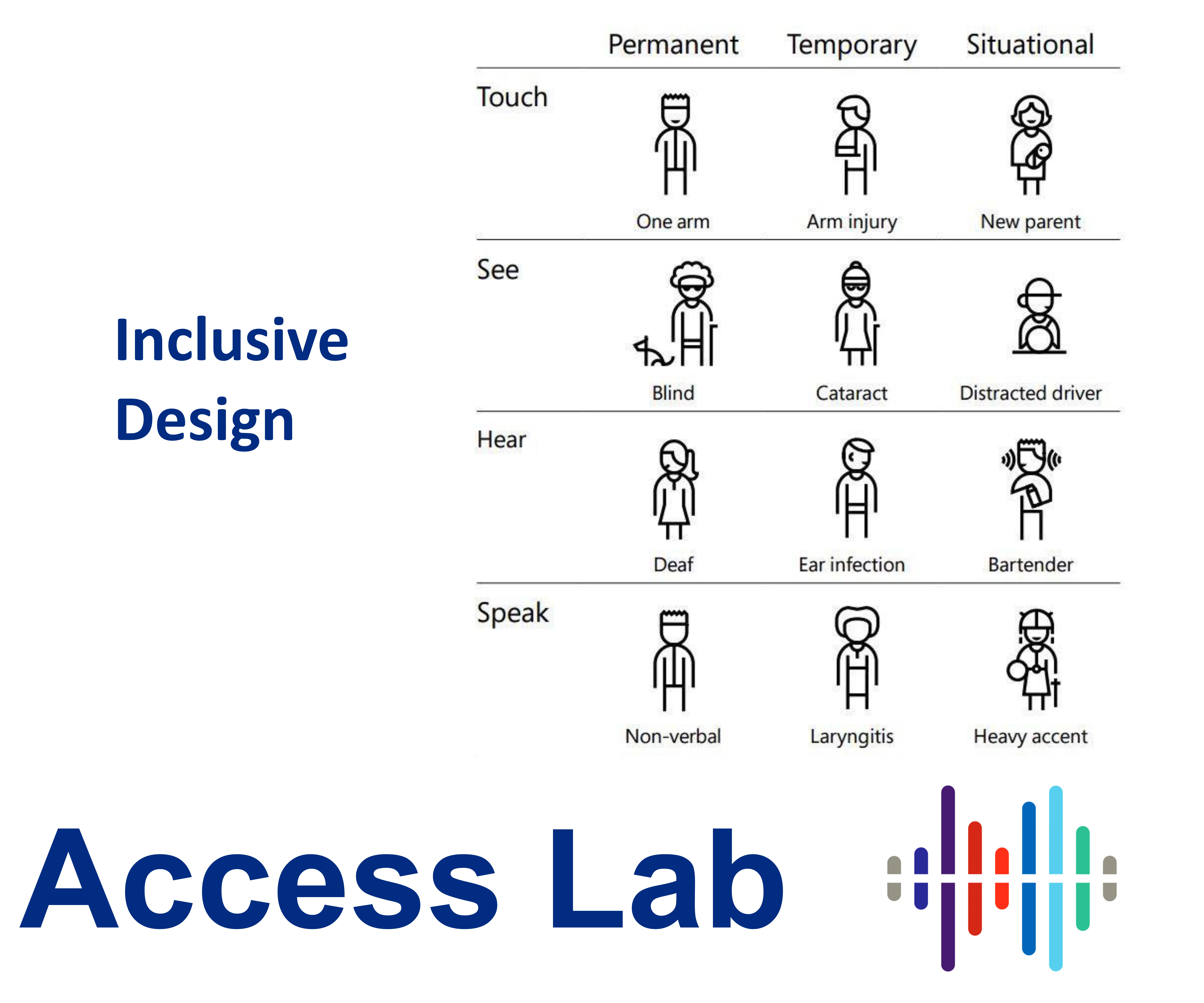
The transdisciplinary Access Lab at IMPULSE serves to promote accessibility as a key topic in teaching and research. It engages students from all disciplines in exploring accessibility and assistive technologies through research-based teaching, with a focus on human diversity, sustainable inclusive futures, and critical interface design. By aligning with new legal frameworks like the European Accessibility Act that came into effect on June 28, 2025, the project also equips students with valuable skills for emerging job markets in social and technological innovation.